MRI System Launch
A new MRI system was ready for engineering sign-off, but the launch price was anchored to build cost rather than to what the market would pay. We tested who would buy, why they would switch, and what they would actually pay, then set the price and the go-to-market playbook on evidence before a single unit shipped.
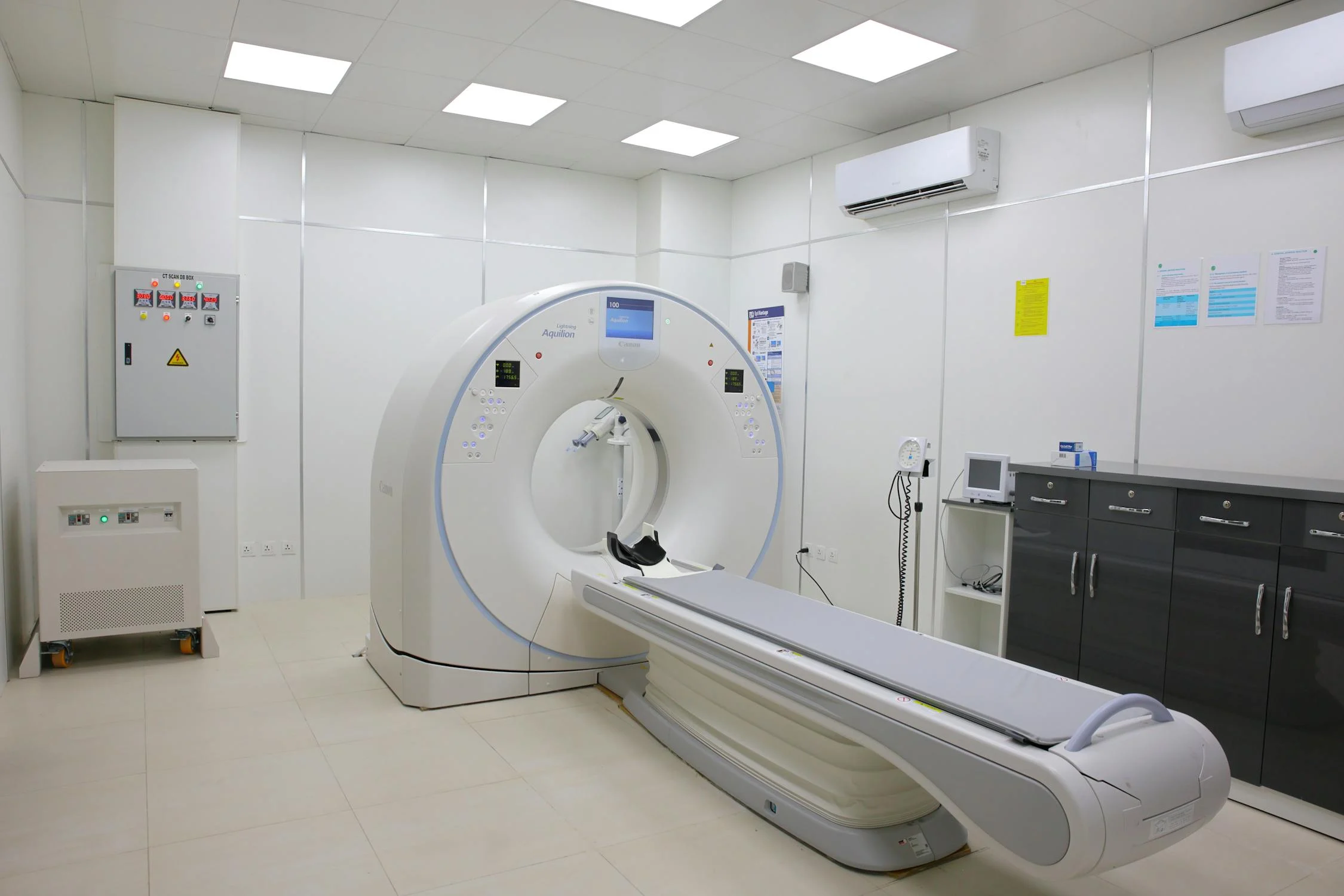
At a glance
Client
Medical imaging manufacturer
Sector
Healthcare / Medical devices
Engagement
Market, concept & price testing
Timeline
10 weeks
The challenge
A high-stakes launch built on assumptions
The system was a seven-figure capital purchase with an 18-month sales cycle, sold into hospitals and private imaging centers against entrenched incumbents like the big three OEMs. Engineering was strong, but there was no evidence on who would buy, why they would switch, or what they would pay. Reps were improvising discounts deal by deal, and a single mispriced launch risked anchoring the product too low for years.
Our process
What we did
- 01
Market & segmentation
Ran 30 in-depth interviews with radiologists, biomedical engineers, and procurement leads across six markets to map buying centers, switching triggers, and decision criteria.
- 02
Competitive teardown
Benchmarked five incumbent systems on specs, service contracts, and street pricing to find the unclaimed white space.
- 03
Concept testing
Tested three value-proposition framings (image quality, throughput, total cost of ownership) with 200+ clinical and financial stakeholders.
- 04
Price testing
Combined a Van Westendorp price-sensitivity study with conjoint analysis to find the price the market would actually bear and the willingness to pay for each configuration.
- 05
Launch playbook
Delivered positioning, three priority segments, a configuration-level price ladder, and discount guardrails the sales team could hold to.
The results
$14.2M
projected first-year revenue across 3 priority segments
+14%
higher launch price than the cost-based floor, set on evidence
31%
forecast win rate vs incumbents, up from 19%
+22%
willingness-to-pay headroom the market would bear above plan
47%
conjoint share-of-preference for the lead configuration
−9 pts
discount leakage cut, from 17% to 8% of deal value
More case studies
All case studies →Public Sector
Voice of the Citizen
Structured listening that turned citizen feedback into clear, ranked service priorities.
Digital Experience
Creativ KS Website Rebuild
A full rebuild and migration of the Creativ KS storefront to a faster, bilingual site built to turn visitors into project inquiries.
Analytics
Experience to Impact
Quantifying how much more Promoters spend than Passives and Detractors, then simulating the revenue from moving customers up a tier.