Campaign Modeling
Simulate, test, and improve campaign outcomes using data-driven models that optimize targeting, messaging, and media allocation for maximum ROI. Our approach integrates historical performance data, customer segmentation, and channel effectiveness to predict future impact and guide spend decisions. By modeling various campaign scenarios, we help you reduce waste, prioritize high-performing strategies, and continuously refine marketing investments.
Simulating & Improving Campaign Effectiveness
Designing effective marketing campaigns requires more than intuition. At Intellimark, our Campaign Modeling framework uses historical data, audience insights, and performance analytics to simulate campaign scenarios and prescribe strategies that drive higher ROI.
Target Audience Optimization – We model customer segments based on behavior, preferences, and channel responsiveness to refine targeting and minimize wasted spend.
Message Impact Testing – Using data on past campaigns and predictive analytics, we assess how different messaging approaches influence engagement and conversion outcomes.
Channel Performance Modeling – We simulate performance across digital, social, email, and offline channels to recommend the best media mix for each campaign goal.
Spend Allocation Scenarios – By modeling various investment strategies, we identify the optimal spend levels across channels, maximizing returns within your budget.
Campaign Success Forecasting – We project likely outcomes based on modeled assumptions, helping marketing teams prioritize campaigns with the greatest potential for success.
Impact
Strategic Impact
Guides marketing strategy by predicting which audience, channel, and messaging combinations will deliver the highest return on investment and brand impact.
Operational Impact
Improves campaign execution by identifying the optimal media mix, spend allocation, and timing based on modeled performance scenarios.
Audience Engagement
Enhances customer engagement by refining targeting strategies and personalizing messaging that resonates based on predictive modeling insights.
Key Metrics
Campaign ROI, cost per acquisition (CPA), conversion rates, customer lifetime value (CLV), media efficiency ratios, and predicted revenue lift.
Execution Framework
Data Sources
Campaign performance reports, CRM customer segments, media spend data, engagement metrics, conversion tracking, A/B testing results, and historical ROI benchmarks.
Modeling Techniques
Media mix modeling, attribution modeling, uplift modeling, segmentation analysis, predictive ROI simulation, channel performance forecasting, and scenario testing.
Involved Stakeholders
Marketing directors, media planners, data science teams, digital marketing managers, campaign strategists, finance analysts, and executive sponsors.
Reporting Format
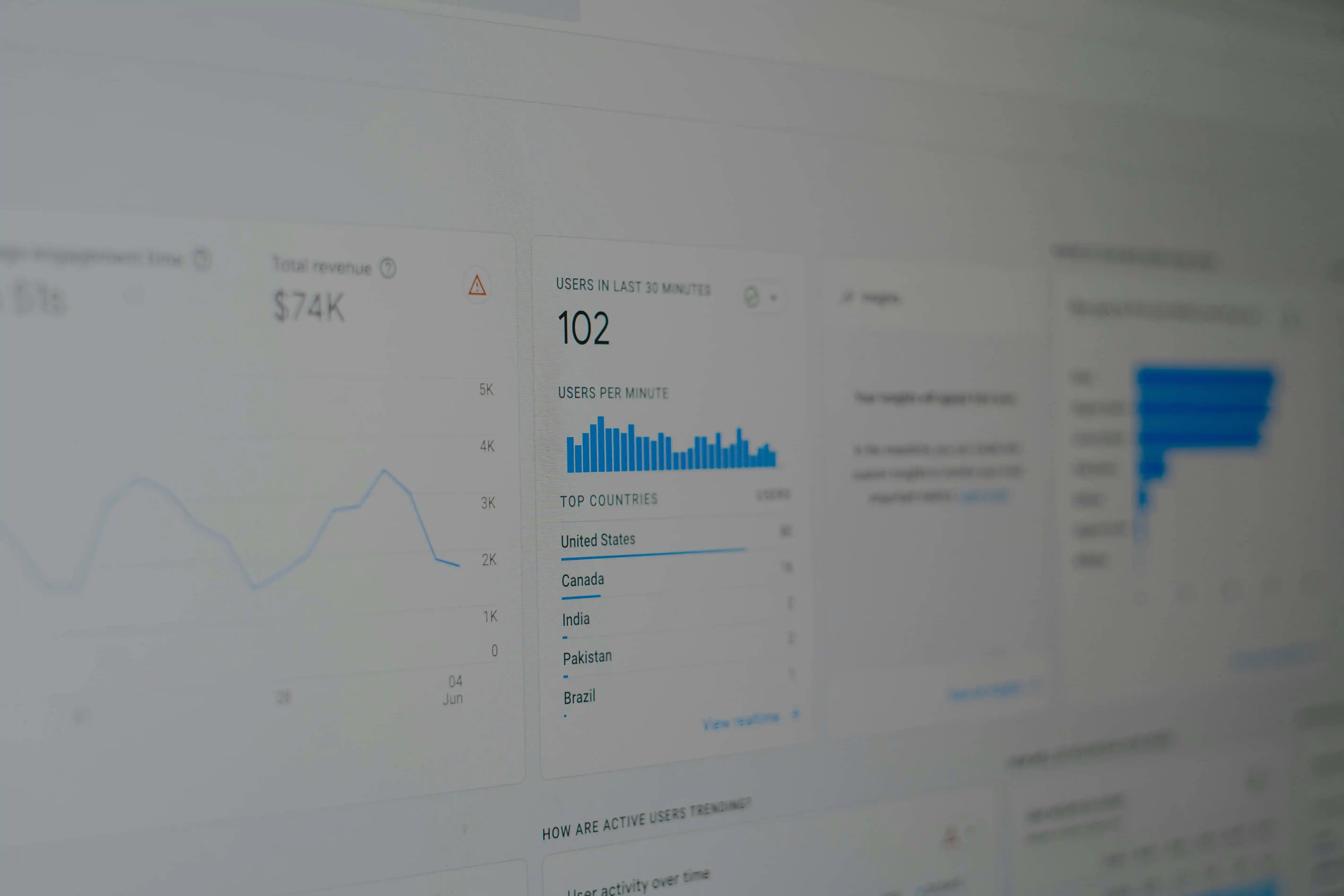
Campaign modeling dashboards, scenario comparison matrices, budget reallocation recommendations, conversion uplift forecasts, executive impact reports, and media strategy playbooks.